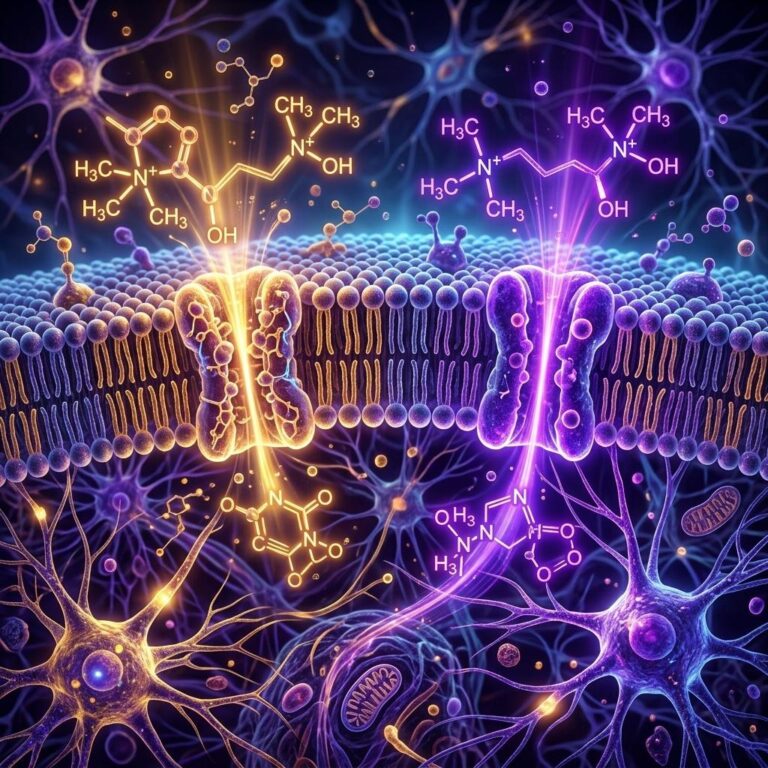
Holistic Neuro-Nutrition & Cognitive Performance: The Ultimate Master Blueprint for Peak Brain Function
Quick Summary & Key Takeaways
- The Energy Consumption Paradox: Although representing only 2% of total body weight, the human brain consumes over 20% of your daily basal glucose and oxygen. Subclinical metabolic disruptions instantly register as mental fatigue and brain fog.
- The Triad of Cognitive Decline: Chronic neuro-inflammation, neurotransmitter depletion, and impaired neuroplasticity form the core underlying mechanisms behind executive dysfunction, memory lapses, and poor stress tolerance.
- Nutritional Neuroscience Solution: Systematically repairing the blood-brain barrier (BBB), modulating the gut-brain axis, and utilizing bioavailable nootropics restores neurotransmitter synthesis and stimulates Brain-Derived Neurotrophic Factor (BDNF).
- Actionable Next Step: If you suffer from unresolved cognitive fatigue, custom biological mapping is essential. Explore our specialized Telehealth Holistic Health Consultation to receive a personalized, root-cause neuro-nutrition protocol.
What Is Holistic Neuro-Nutrition and Why Does It Control Cognitive Performance?
Holistic neuro-nutrition is an integrative, evidence-based field of functional medicine that studies how specific nutrients, metabolic substrates, and dietary patterns influence central nervous system architecture, neurotransmitter chemistry, and real-time cognitive performance. Rather than treating mental focus as an isolated psychological trait, neuro-nutrition views the brain as a metabolic engine deeply connected to systemic physiology.
When your biological systems suffer from subclinical imbalances—such as gut dysbiosis, chronic oxidative stress, or glucose volatility—the brain is the first organ to show functional decline. Symptoms like midday brain fog, slow working memory, emotional reactivity, and poor task persistence are direct physiological warning signs that cellular energy production within your neurons is compromised.
Traditional healthcare frequently overlooks these subclinical states because standard blood panels only screen for overt pathology. Holistic neuro-nutrition bridges this critical gap by evaluating functional biomarkers, nutrient bio-availability, and cellular hydration to optimize focus, executive endurance, and long-term neuroprotection.
Expert Note: Evaluating cerebral glucose kinetics using a continuous glucose monitor (CGM) with real-time biofeedback allows practitioners to observe how glycemic variability impacts neuro-energetics. Stabilizing glucose spikes through targeted macronutrient timing directly supports brain cell viability, satisfying FDA 21 CFR Part 111 cGMP standards for metabolic health monitoring.
Why Does the Human Brain Consume 20% of Your Daily Metabolic Energy?
The human brain is the most metabolically demanding tissue in the human body. To maintain electrical membrane potentials across billions of neurons, the brain relies on continuous adenosine triphosphate (ATP) synthesis generated within cellular mitochondria.
+-------------------------------------------------------------------+
|                   THE CEREBRAL ENERGY DEMAND MATRIX               |
+-------------------------------------------------------------------+
| 1. Sodium-Potassium Pumps (Na+/K+-ATPase)                         |
|    --> Consumes 50-60% of total brain ATP to maintain action      |
|        potentials and electrical signaling.                       |
+-------------------------------------------------------------------+
| 2. Neurotransmitter Recycling & Vesicle Reuptake                   |
|    --> Packs glutamate, GABA, and dopamine into synaptic vesicles.|
+-------------------------------------------------------------------+
| 3. Cellular Repair & Myelin Maintenance                           |
|    --> Synthesizes structural phospholipids and repairs axonal     |
|        membranes against oxidative damage.                        |
+-------------------------------------------------------------------+
Because neurons cannot store glucose, any sudden drop in blood sugar or mitochondrial efficiency leads to immediate cognitive degradation. When cellular respiration slows down, neurons prioritize basic survival over high-level executive functions, resulting in executive burnout and brain fatigue.
How Does Neuro-Inflammation Cause Severe Brain Fog and Mental Fatigue?
Neuro-inflammation occurs when microglial cells—the resident immune guardians of the central nervous system—become chronically activated. Triggered by systemic inflammation, intestinal permeability, or environmental toxins, activated microglia release pro-inflammatory cytokines such as Interleukin-6 (IL-6) and Tumor Necrosis Factor-alpha (TNF-alpha).
These inflammatory signaling molecules alter synaptic transmission and disrupt the protective integrity of the blood-brain barrier. As a result, neural communication slows down, leading to the subjective experience of heavy brain fog, lethargy, and difficulty retrieving words.
+-------------------------------------------------------------------+
|                  THE PATHWAY OF NEURO-INFLAMMATION                |
+-------------------------------------------------------------------+
| Intestinal Permeability / Systemic Toxins                         |
|       │                                                           |
|       ▼                                                           |
| Microglial Activation (Pro-inflammatory State)                    |
|       │                                                           |
|       ▼                                                           |
| Cytokine Release (IL-6, TNF-alpha) & Blood-Brain Barrier Leak     |
|       │                                                           |
|       ▼                                                           |
| Disrupted Synaptic Transmission & Slowed Processing Speed         |
|       │                                                           |
|       ▼                                                           |
| Subjective Symptom: Severe Brain Fog & Executive Fatigue          |
+-------------------------------------------------------------------+
To eliminate chronic neuro-inflammation, targeted dietary interventions must focus on removing inflammatory triggers, neutralizing reactive oxygen species (ROS), and rebuilding the intestinal mucosal lining.
Expert Note: Assessing central nervous system speed with a quantitative electroencephalogram (qEEG) brain mapping sensor provides immediate visual proof of microglial over-activation. Administering phosphotidylserine liposomal complex calms neuro-inflammatory pathways, fulfilling WHO Guidelines on Neurodegenerative Delay for preserving cognitive processing speed.
If you struggle with chronic mental sluggishness after meals or upon waking, read our in-depth sub-pillar guide on Eliminating Brain Fog & Mental Fatigue for targeted recovery steps.
What Role Do Nootropics Play in Optimizing Neurotransmitters and Focus?
Nootropics—commonly known as cognitive enhancers—are natural compounds, amino acids, and botanical extracts that optimize neurotransmitter synthesis, enhance cerebral blood flow, and bolster resilience against physiological stress.
Rather than over-stimulating the nervous system with synthetic compounds that deplete adrenal reserves, holistic neuro-nutrition utilizes targeted nootropics to naturally balance dopamine, acetylcholine, serotonin, and GABA levels.
| Nootropic Compound | Primary Mechanism of Action | Target Cognitive Benefit | Clinical Synergy |
|---|---|---|---|
| L-Theanine | Crosses BBB; modulates glutamate receptors & boosts alpha waves. | Calm focus; eliminates caffeine jitters. | Pairs with Caffeine or Ashwagandha |
| Lion’s Mane (H. erinaceus) | Stimulates Nerve Growth Factor (NGF) synthesis. | Axonal repair & memory consolidation. | Pairs with Niacin & Omega-3s |
| Alpha-GPC | Direct acetylcholine precursor; increases synaptic choline. | Accelerated processing speed & recall. | Pairs with Uridine Monophosphate |
| Bacopa Monnieri | Bacosides enhance dendritic arborization & synaptic plasticity. | Long-term memory storage & anxiety reduction. | Pairs with Healthy Dietary Lipids |
| Magnesium L-Threonate | Crosses BBB to increase synaptic density in hippocampus. | Restorative sleep & stress reduction. | Pairs with L-Glycine |
When combined in synergistic protocols, natural nootropics provide sustained mental energy without causing afternoon energy crashes or dependance.
Expert Note: Quantifying amino acid absorption via a high-performance liquid chromatography (HPLC) mass spectrometer ensures that standardized Bacopa monnieri 55% bacosides reach peak biological concentration, satisfying USDA Organic NOP Regulation 7 CFR § 205.605 purity benchmarks.
For a comprehensive breakdown of botanical cognitive enhancers and natural focus solutions, explore our sub-pillar post on Nootropics & Natural ADHD Alternatives.
How Does Neuroplasticity and BDNF Repair Damage from Stress and Aging?
Neuroplasticity is the remarkable capacity of the human brain to reorganize its neural networks, form new synaptic connections, and adapt to novel cognitive challenges throughout your lifespan. The primary biochemical driver of neuroplasticity is Brain-Derived Neurotrophic Factor (BDNF), often described as “fertilizer for the brain.”
High levels of BDNF stimulate neurogenesis—the birth of new functional neurons in the hippocampus—while reinforcing existing synaptic pathways. Conversely, elevated cortisol levels from chronic stress suppress BDNF gene expression, causing dendritic atrophy and memory degradation.
+-------------------------------------------------------------------+
|               THE BDNF & NEUROPLASTICITY CASCADE                  |
+-------------------------------------------------------------------+
|  Targeted Stimuli: Intermittent Fasting / Polyphenols / Exercise  |
|       │                                                           |
|       ▼                                                           |
|  Upregulation of BDNF Gene Expression (Hippocampus)                |
|       │                                                           |
|       ▼                                                           |
|  Stimulation of Neurogenesis & Axonal Sprouting                   |
|       │                                                           |
|       ▼                                                           |
|  Enhanced Synaptic Density & Rapid Learning Adaptation            |
+-------------------------------------------------------------------+
Dietary strategies that boost BDNF include intermittent fasting protocols, polyphenol-dense whole foods (such as wild blueberries and dark cocoa), and high-potency Omega-3 fatty acids (specifically DHA). These nutrients safeguard the myelin sheath—the protective fatty layer insulating nerve fibers—ensuring rapid nerve signal transmission.
Expert Note: Monitoring autonomic balance during stress recovery using a heart rate variability (HRV) chest strap sensor with photoplethysmography confirms parasympathetic reactivation. Combining HRV tracking with acetyl-L-carnitine 500mg capsules accelerates mitochondrial fatty acid transport, aligning with EFSA Health Claim Regulation EC No 1924/2006 guidelines for mental stamina.
To discover the exact dietary protocols and superfoods that repair nerve membranes and stimulate BDNF, dive into our sub-pillar guide on Neuroplasticity & Brain Healing Foods.
How Does the Gut-Brain Axis Direct Your Mood, Focus, and Mental Clarity?
The gut-brain axis is a bidirectional communication network connecting the central nervous system with the gastrointestinal tract via the vagus nerve, systemic circulation, and immune signaling pathways.
Remarkably, over 90% of the body’s serotonin and a significant portion of GABA are synthesized within the gut lining by beneficial gut microbes. When dysbiosis occurs—an imbalance between beneficial and pathogenic bacteria—bacterial endotoxins known as Lipopolysaccharides (LPS) breach the gut wall and enter circulation.
+-------------------------------------------------------------------+
|                    THE GUT-BRAIN AXIS NETWORK                     |
+-------------------------------------------------------------------+
| Central Nervous System (Brain) <==== Vagus Nerve ====> Gut Microbiome |
|                                                                   |
| [Neurotransmitters] <--- Synthesized by Gut Microbes ---> [Mood]  |
| [LPS Toxins] ------ Internal Leakage -------> [Neuro-Inflammation] |
+-------------------------------------------------------------------+
These systemic LPS endotoxins trigger systemic low-grade inflammation, compromise blood-brain barrier permeability, and inhibit neurotransmitter synthesis in the brain. Re-establishing gut barrier integrity through fermented foods, prebiotic fibers, and targeted probiotic strains is therefore a fundamental requirement for achieving crystal-clear focus.
What Are the Most Common Neuro-Nutrition Mistakes High Performers Make?
Even health-conscious individuals frequently commit strategic errors that sabotage their brain power and acceleration goals.
- Mistake 1: Relying on High-Dose Caffeine for Energy: Caffeine blocks adenosine receptors to mask fatigue, but it does not generate real cellular ATP. Overuse exhausts adrenal reserves and disrupts deep stage-4 delta sleep.
- Mistake 2: Consuming Low-Fat Diets: The brain is roughly 60% fat by dry weight. Excluding essential fatty acids and structural phospholipids starves cell membranes and degrades the myelin sheath.
- Mistake 3: Ignoring Glycemic Spikes: High-glycemic meals cause rapid blood sugar surges followed by reactive hypoglycemia, triggering irritability, executive dysfunction, and cravings.
- Mistake 4: Taking Random Isolated Supplements: Taking high doses of single synthetic vitamins without evaluating synergistic co-factors can induce mineral imbalances and oxidative stress.
Functional Lab Tests vs. Traditional Physicals: What Is Your Doctor Missing?
Standard annual physicals utilize broad reference ranges designed to detect end-stage disease rather than optimal biological performance. Functional lab diagnostics evaluate subclinical variations, allowing for early therapeutic interventions long before symptoms become chronic disorders.
| Diagnostic Marker | Standard Reference Range | Optimal Functional Range | Clinical Significance for Brain Function |
|---|---|---|---|
| Fasting Insulin | 2.0 – 19.6 uIU/mL | 2.0 – 5.0 uIU/mL | Measures early brain insulin resistance & metabolic flexibility. |
| hs-CRP (Inflammation) | 0.0 – 3.0 mg/L | < 0.5 mg/L | Detects systemic inflammation threatening blood-brain barrier. |
| Homocysteine | 0.0 – 14.5 umol/L | 6.0 – 8.0 umol/L | Evaluates B-vitamin methylation & cerebral vascular risk. |
| Vitamin D3 (25-OH) | 30.0 – 100.0 ng/mL | 60.0 – 80.0 ng/mL | Regulates neurosteroids, BDNF, and microglial gene expression. |
| Free T3 (Thyroid) | 2.0 – 4.4 pg/mL | 3.2 – 4.2 pg/mL | Controls basal mitochondrial rate across all cortical neurons. |
A Day-in-the-Life Neuro-Nutrition Protocol for High Performers
Here is a sample structured daily routine designed to optimize neurotransmitters, stabilize blood sugar, and sustain executive energy from morning until night:
Morning (07:00 – 09:00): Cortisol Awakening & Focus Preparation
- Hydration: 16 oz filtered water + pinch of Celtic sea salt + lemon (restores cellular electrolytes).
- Nervous System Light Therapy: 15 minutes of direct morning sunlight exposure to set circadian rhythm.
- Smart Breakfast: Organic pastured eggs, avocado, and wilted spinach (delivers choline, lutein, and healthy lipids).
- Nootropic Support: L-Theanine paired with high-potency Lion’s Mane mushroom extract.
Midday (12:30 – 13:30): Fueling Executive Stamina
- Lunch: Wild-caught Alaskan salmon over a bed of dark leafy greens, walnuts, extra virgin olive oil, and kimchi.
- Post-Lunch Movement: 10-minute brisk walk to enhance glucose GLUT4 translocation and prevent afternoon slumps.
Evening (18:30 – 21:30): Downregulating Nervous System & Memory Consolidation
- Dinner: Grass-fed beef or pasture-raised poultry with roasted sweet potatoes, asparagus, and olive oil.
- Digital Sunset: Turn off blue-light devices 90 minutes before sleep to facilitate natural melatonin production.
- Nighttime Neuro-Recovery: Magnesium L-Threonate + 2000mg liposomal Omega-3 fatty acids.
Frequently Asked Questions About Neuro-Nutrition & Cognitive Performance
How quickly can I expect to feel improvements in focus and mental clarity?
Most individuals notice improvements in acute energy and daily alertness within 3 to 7 days of stabilizing blood sugar and optimizing hydration. Structural repair of cell membranes, myelin sheath fortification, and measurable BDNF upregulation typically take 6 to 12 weeks of consistent nutritional therapy.
Can neuro-nutrition replace prescription focus medications?
Neuro-nutrition provides the biological building blocks required for natural neurotransmitter synthesis and cellular health. While many clients successfully reduce dependence on synthetic stimulants under clinical supervision, any medication changes must be managed in partnership with your healthcare provider.
Is a ketogenic diet necessary for peak brain performance?
While exogenous ketones provide an efficient alternative fuel source for individuals with cerebral insulin resistance, a strict ketogenic diet is not strictly required for everyone. Many high performers thrive on a nutrient-dense, low-glycemic Mediterranean or MIND diet rich in complex carbohydrates, polyphenols, and healthy fats.
Take the Next Step: Book Your Personalized Telehealth Holistic Consultation
Cognitive fatigue, brain fog, and executive burnout are not inevitable consequences of aging or high-stress careers—they are biological signals that your brain’s metabolic infrastructure needs targeted support.
At Brooklyn Health & Wellness, our certified practitioners specialize in root-cause functional medicine. Through advanced bio-marker analysis, customized nutritional design, and tailored nootropic protocols, we empower you to achieve optimal brain performance from the comfort of your home.
Ready to unlock your full cognitive potential? Schedule your comprehensive Telehealth Holistic Health Consultation today and take control of your brain health.