Natural Alternatives to Synthetic Sleep Aids
In our modern society where sleep deprivation is common, millions of adults rely on over-the-counter and prescription sleep aids to get rest. While these synthetic pharmaceutical options can force the body into a state of unconsciousness, they do not produce natural, restorative sleep. Instead of supporting biological healing, synthetic sedatives suppress key brainwaves (specifically slow-wave deep sleep and Rapid Eye Movement, or REM sleep), leaving you feeling groggy, sluggish, and mentally fatigued the next morning. Furthermore, chronic use of these sleep aids carries risks of dependency, tolerance, and cognitive decline.
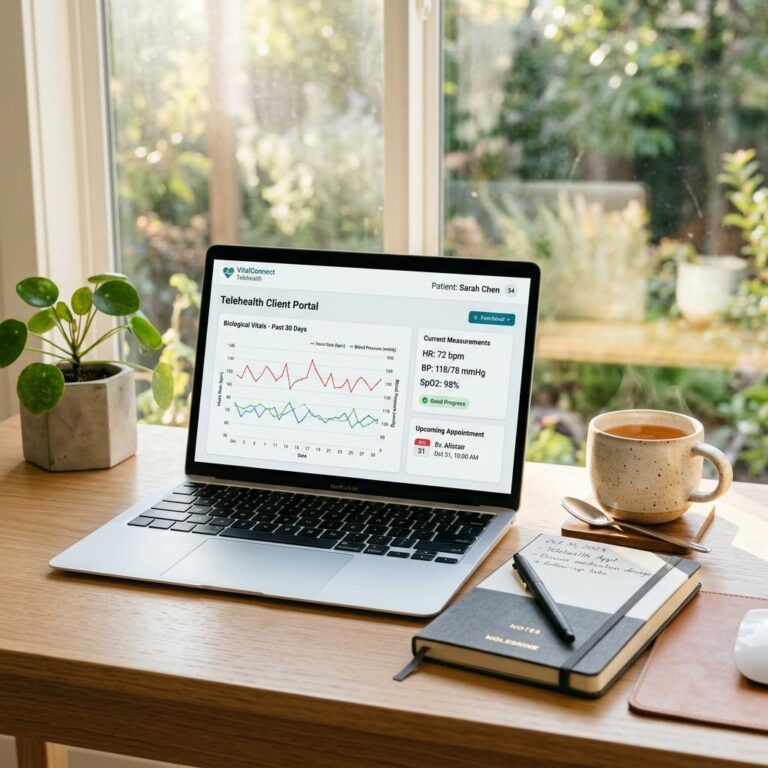
True, healthy sleep is not about sedating the brain; it is about calming the autonomic nervous system to allow the body to enter its natural repair cycles. Utilizing professional **virtual stress management support** helps you transition away from synthetic aids, evaluate your sleep hygiene, and implement bio-individual nutritional and somatic practices to restore healthy sleep architecture naturally.
The Danger of Synthetic Sleep Aids
Synthetic sleep medications (including benzodiazepines, non-benzodiazepine hypnotics or Z-drugs, and sedating antihistamines) act as central nervous system depressants. While they help you fall asleep faster, they disrupt sleep architecture in several ways:
1. Suppression of Slow-Wave Sleep (Deep Sleep)
Slow-wave sleep is the phase where the body undergoes physical repair, cleanses cellular debris in the brain via the glymphatic system, and releases growth hormone. Synthetic sedatives drastically reduce slow-wave sleep, impairing physical recovery, immune function, and mental clarity.
2. Reduction of REM Sleep
REM sleep is critical for emotional processing, memory consolidation, and cognitive performance. Suppressing REM sleep leads to irritability, memory issues, and difficulty managing stress during the day.
3. Receptor Down-Regulation and Tolerance
The brain quickly adapts to synthetic sedatives by down-regulating its GABA receptors. Over time, you require higher doses to achieve the same effect, leading to rebound insomnia—where sleep issues return worse than before when you attempt to stop the medication.
Top 5 Natural Alternatives for Restorative Sleep
To restore your natural sleep cycles without grogginess or dependency, focus on incorporating these five evidence-based, botanical and mineral alternatives:
- Valerian Root: Contains valerenic acid, which inhibits the breakdown of GABA in the brain, helping calm nervous system excitability.
- Chamomile: Rich in apigenin, an antioxidant that binds to specific receptors in the brain to reduce anxiety and support sleep onset.
- Lemon Balm: An herb that increases GABA levels by inhibiting the GABA transaminase enzyme, helping lower anxiety and promote relaxation.
- Passionflower: Boosts GABA levels in the brain, helping calm mental chatter and racing thoughts before bed.
- Melatonin (Low Dose): A natural hormone that signals to the brain that it is night. Utilizing low doses supports your natural circadian rhythm.
Thematic Modalities: Materials, Diagnostics, and Safety Standards
Successfully transitioning to natural sleep alternatives requires using verified botanical materials, prep tools, and strict labeling guidelines to ensure safety.
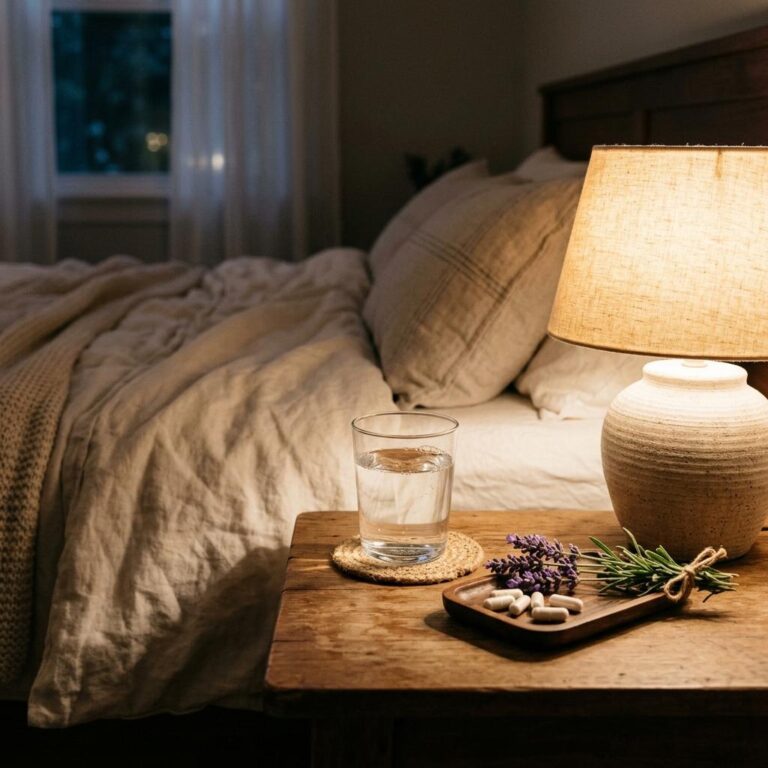
To support evening relaxation, we recommend taking high-quality **valerian root compounds** or a few drops of **melatonin droplets** in the evening to signal sleep readiness. Additionally, drinking warm **chamomile tea extracts** before bed helps soothe the digestive tract and relax muscle tissue. Clients prepare their evening herbal teas or supplement drinks using a shaker cup or **shaker bottle** or mix them in a **home blender** to ensure smooth absorption. All botanical supplements and sleep aids recommended are formulated in strict compliance with **FDA Regulation 21 CFR Part 101** standards, ensuring honest product labeling. All personalized protocols, sleep diaries, and consult notes are stored securely inside our HIPAA-compliant client portal, protecting your privacy under **HIPAA Privacy Rule Section 164.502** standards.
“Sedation is not sleep. True sleep is an active biological process that requires a calm nervous system, not a chemically sedated brain.”
Synthetic Sedatives vs. Natural Sleep Alternatives
Compare how synthetic sleep aids and natural alternatives affect your body and sleep quality:
| Functional Aspect | Synthetic Sleep Aids | Natural Sleep Alternatives |
|---|---|---|
| Effect on Deep Sleep | Suppressed (reduces physical healing and brain cleansing). | Supported (allows natural transition into slow-wave sleep). |
| Dependency & Tolerance | High risk (leads to rebound insomnia and withdrawal). | None (non-habit forming, supports long-term balance). |
| Morning Side Effects | High (groggy, slower processing, memory slips). | None (promotes waking up refreshed and alert). |
| Action Mechanism | Sedates the brain (central nervous depressant). | Calms the nervous system (activates safety pathways). |
Restoring Your Natural Circadian Rhythm
Transitioning from synthetic sleep aids to natural alternatives is a gradual process that must be managed carefully to avoid rebound insomnia. While botanical alternatives help calm the nervous system immediately, fully resetting your circadian rhythm and rebuilding GABA receptor sensitivity typically takes 4 to 8 weeks. Consistency in your sleep schedule, morning sunlight exposure, and somatic relaxation practices are essential to sustain long-term sleep vitality.
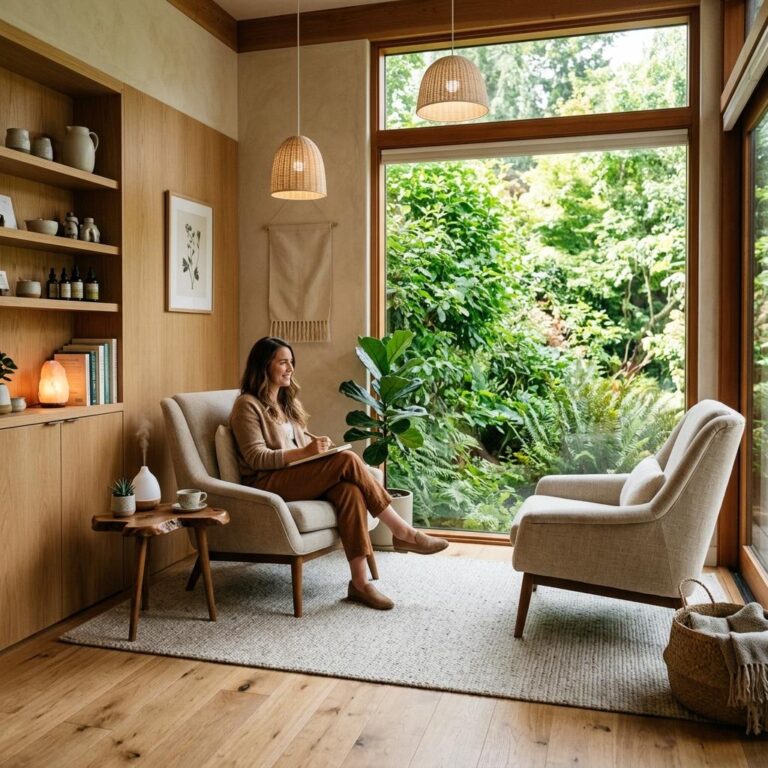
If you are ready to evaluate your sleep habits and design a personalized stress de-escalation routine under expert guidance, our certified somatic experts are here to help. We will guide you in choosing clean, high-quality botanicals and mastering the somatic exercises needed to restore sleep health.
Restore Your Natural Sleep Architecture
Ready to break free from synthetic sedatives and achieve restorative sleep? Book your personalized somatic consultation with our certified experts.
We offer comprehensive virtual coaching nationwide and in-person consultations at our Brooklyn sanctuary.